
Book Appointment Now


Post-Exposure Prophylaxis (PEP) for Women: Emergency HIV Prevention
PEP can stop HIV after a possible exposure, but only within a narrow window. Learn how post-exposure prophylaxis works, who qualifies, and what happens next.
The condom broke. The needle stuck you at work. You had sex you didn't plan on, without protection, and now it's 2 a.m. and you're staring at your phone trying to figure out if there's anything you can actually do. There is, but the clock is already running.
Post-exposure prophylaxis, or PEP, is a short course of HIV medication that can prevent infection if you start it soon enough after a possible exposure. It's different from PrEP, the daily pill some women take before exposure to lower their long-term risk. If ongoing risk is more your situation than a one-time scare, we cover who qualifies in our guide to HIV PrEP eligibility for women at risk. PEP is for the emergency, after-the-fact version of that same protection.
Here at Lesbian STD, we hear about PEP more than almost any other topic, usually from women who didn't know emergency HIV prevention existed until the night they needed it. Jenna Hardy, who writes most of what you're reading here, built this guide because the information that matters most, the exact window you have and what to do inside it, gets buried under generic HIV pages that never mention timing at all.
What Is PEP (Post-Exposure Prophylaxis)?
PEP is a 28-day course of antiretroviral medication started after a possible exposure to HIV, taken to prevent the virus from establishing a permanent infection in your body. It works only in a narrow window, and it isn't a treatment for someone who already has HIV. Think of it as emergency intervention, not ongoing care. The CDC defines PEP as medication that must begin as soon as possible after exposure and always within 72 hours, since effectiveness drops the longer you wait.
PEP was originally developed for healthcare workers exposed to HIV through needlesticks, and the same protocol has since been extended to sexual exposure and other risk events. That history matters: it's a well-studied intervention, not an experimental one, and it's been standard clinical practice for decades.
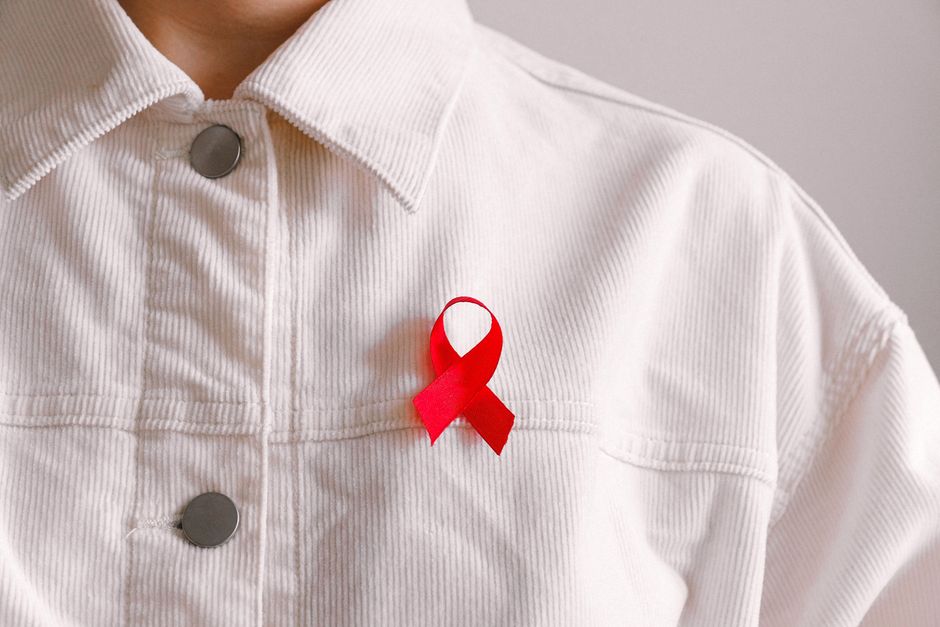
How Does PEP Work Against HIV?
Antiretroviral drugs used in PEP interrupt HIV's ability to copy itself in the earliest hours after it enters your body, before it has a chance to establish a permanent reservoir of infected cells. That early period is the entire reason the 72-hour window exists. Miss it, and the virus has likely already integrated itself into your cells in a way medication after the fact can't undo. Research associated with HIV specialists at the University of Washington, including work tied to Dr. Jeanne Marrazzo, has shaped much of the clinical understanding of how quickly that process happens and why speed matters more than which specific drug combination you're given.
"HIV needs time to establish infection after it enters the body, which is why antiretroviral medication started within hours to a few days of exposure can prevent the virus from taking hold."
What Counts as a Possible HIV Exposure?
Not every sexual encounter or accident warrants a trip to urgent care. But if any of the following happened, PEP is worth a same-day evaluation:
- Condom breaking or slipping during sex with a partner of unknown or positive HIV status
- Unprotected sex, including oral sex with visible blood present, with a partner whose status you don't know
- Sharing needles, syringes, or other injection equipment
- A needlestick or sharps injury, common among nurses, phlebotomists, and lab technicians
- Sexual assault
- Mucous membrane or broken skin contact with blood or body fluids that may carry HIV
PEP Medication Names: What Drugs Are Used?
PEP is typically a three-drug regimen, chosen to work against HIV even before your exposure risk or partner's status is fully confirmed. Your clinician picks the exact combination based on kidney function, other medications you take, and local resistance patterns. Common names you might see on a prescription include:
- Truvada (tenofovir disoproxil fumarate/emtricitabine)
- Descovy (tenofovir alafenamide/emtricitabine)
- Isentress (raltegravir)
- Tivicay (dolutegravir)
- Combination regimens pairing one of these backbone drugs with an integrase inhibitor

Post-Exposure Prophylaxis Guidelines: Who Should Take It?
CDC guidelines recommend PEP for anyone with a substantial exposure risk who presents within 72 hours, evaluated case by case based on the type of exposure and what's known about the source partner. If you know your partner's status, or you're able to ask, that conversation shapes the whole decision, which is exactly the kind of conversation we walk through in our piece on partner communication about STI testing and health status. A clinician will also order baseline HIV, hepatitis, and kidney function testing before starting you on medication, both to confirm you don't already have HIV and to make sure the drugs are safe for your body.
Can I Take PEP for 30 Days?
Not quite. The standard PEP course runs 28 days, not 30, though people often round up when describing it. CDC guidance calls for a full, uninterrupted 28-day regimen started as soon as possible after exposure, ideally within hours and never later than 72 hours out.
Stopping early, even by a few days, meaningfully lowers how well PEP protects you. If side effects are making adherence hard, call your prescriber before you skip doses. Most regimens can be adjusted rather than abandoned.
Getting PEP Fast: Where and How
Can I Take PEP Without a Doctor?
Not safely, and not legally in most places. PEP requires a prescription, baseline lab work, and a clinician who can confirm your exposure timeline falls inside the 72-hour window. Taking leftover antiretrovirals from a partner or a prior prescription skips the screening that catches an existing infection or a drug interaction, which is exactly what that screening exists to prevent.
Can I Get PEP at Urgent Care?
Often, yes. Urgent care clinics and hospital emergency departments can start PEP, which matters because the 72-hour window doesn't pause for a weekend or a holiday. Action: call ahead when you can, since not every urgent care stocks a full starter pack, and some will hand you a short bridge prescription until you can see a specialist. We keep a 24/7 line open, (778) 804-3466, for exactly this reason, because exposures don't happen on a schedule.
Is There a Downside to Taking PEP?
Yes, though the downsides are manageable for most women rather than dangerous. The most common complaints are gastrointestinal and resolve within the first couple of weeks. Expect the possibility of:
- Nausea, sometimes significant in the first several days
- Fatigue
- Diarrhea or loose stools
- Headache
- Mild changes in kidney function markers, which is why follow-up labs matter
"Side effects from HIV medications, including those used for post-exposure prophylaxis, are usually mild and tend to improve within the first few weeks of treatment."
Pro tip: ask about anti-nausea medication at your first appointment rather than waiting until symptoms hit. Most clinicians will pair it with your PEP prescription without hesitation.
What Happens If You Take PEP Without Exposure?
Nothing protective happens, because PEP has nothing to work against. Taking antiretrovirals without a real exposure exposes you to the side effects and cost with none of the benefit, since there's no viral replication for the drugs to interrupt. It's not dangerous in the way overdosing on a medication would be, but it's pointless, and it's not a substitute for daily PrEP if your actual risk is ongoing rather than a single event.
When PEP Isn't the Right Fit
PEP is built for emergencies, not for repeat use. If you find yourself asking for it every few months, that's a signal worth taking seriously rather than a routine to normalize. Board-certified providers generally recommend switching to daily PrEP for anyone with recurring exposure risk, since PrEP provides continuous protection instead of relying on a 72-hour scramble every time. Condoms, dental dams, and knowing a partner's status remain the first line of prevention. PEP is the backup plan, not the plan.

Signs of PEP Success: What to Expect
Success looks like a negative HIV test at your follow-up appointments, not a feeling. There's no symptom that confirms PEP worked. Most clinics retest at baseline, then again around 6 weeks and 12 weeks after exposure, sometimes extending monitoring to 6 months for higher-risk exposures or if you were also exposed to hepatitis C.
In our own intake conversations, we've seen women assume that finishing the 28 days without side effects means they're in the clear. It doesn't, not without the lab work. If you're due for a broader screening cadence beyond this single exposure, our guide to STI screening for women over 40 lays out how often routine testing should happen going forward, separate from this one-time follow-up.
Practical Tips for Getting Through a PEP Course
- Act within hours, not days. The earlier you start, the higher your odds of PEP working.
- Take every dose for the full 28 days, even once side effects start to fade and skipping feels tempting.
- Get baseline labs before your first dose, and keep every follow-up appointment at 6 and 12 weeks.
- Avoid unprotected sex until your final negative result comes back, since transmission is still possible during the window period.
- Ask about anti-nausea support up front instead of white-knuckling through the first week.
- If this isn't your first PEP course, talk to your provider about PrEP once you finish, so you're not starting this process over from scratch next time.
None of this has to be a solo decision made at 2 a.m. under a phone's blue light. If you think you've been exposed, the single most useful thing you can do is call someone who can get you evaluated before the 72-hour window closes, whether that's an urgent care line, an emergency department, or our own 24/7 number. Evidence-based care works best when it starts early, and starting is the whole point of PEP.